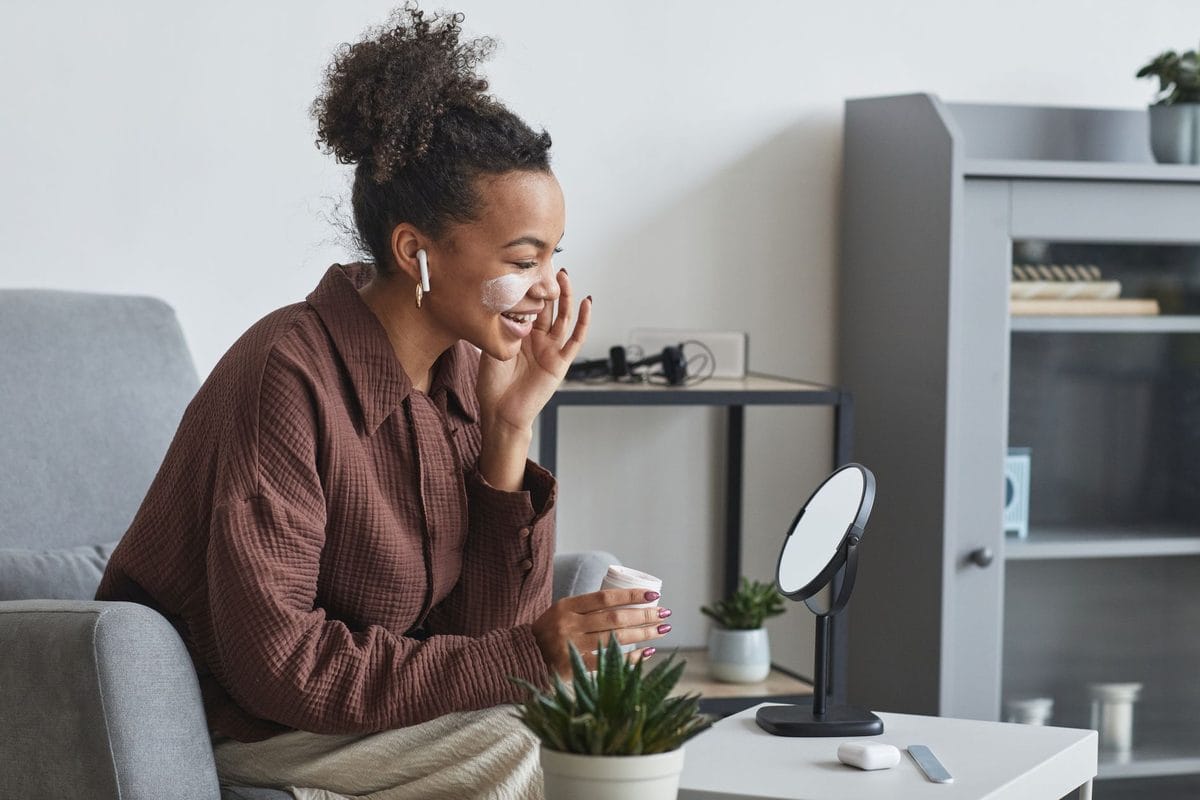
You spent one weekend at the lake without reapplying sunscreen after the second swim, and by Wednesday the spot on your cheek that had been fading nicely since March looked like it had never faded at all. That's not your imagination, and it's not bad luck. It's melanin doing exactly what it's built to do, and every July it undoes months of careful skincare in about four days of unprotected exposure.
Why Summer Reactivates Spots You Thought Were Gone
Melanocytes — the pigment-producing cells sitting at the base of your epidermis — don't distinguish between "new damage" and "a spot I'm already treating." UV radiation triggers a cascade that starts with DNA damage signaling and ends with those cells pumping out more melanin, and previously affected areas respond faster and more intensely than surrounding skin because the melanocytes there are already primed and sensitized from prior injury. Once melanin is produced, it gets packaged into melanosomes and shuttled up into the surrounding keratinocytes, which is the actual physical process behind a spot visibly darkening over two or three days rather than instantly. This is why a post-acne mark that had faded to barely-there by June can look freshly dark again after one bad sunburn, or even after cumulative low-grade exposure you didn't register as a burn at all — an afternoon of gardening, a walk you didn't think needed SPF, three pool days in a row with sunscreen applied once each morning. None of this shows up immediately, either, which is part of what makes it so easy to miss until the spot is noticeably darker than it was a week earlier. Genetics decide how strongly any of this plays out, too — deeper skin tones carry more active melanocytes and tend to both scar and pigment more readily than fair skin, which is exactly why dermatologists treat pigmentation differently across skin types rather than handing everyone the same routine. Visible light matters here too, and it's the part most people skip: standard chemical sunscreens block UV well but do little against the blue light from actual daylight that's been shown to worsen melasma specifically, which is why dermatologists increasingly recommend a tinted mineral sunscreen with iron oxides for anyone dealing with hormonal pigmentation rather than a clear chemical formula alone.
Heat makes it worse through a separate mechanism. Elevated skin temperature increases blood flow and inflammatory signaling, and inflammation is the other major driver of melanin production — which is exactly why post-inflammatory hyperpigmentation gets its name. Combine UV and heat, which summer does by default, and you get a stacking effect that a single SPF application at 8am does very little to stop by 3pm.
PIH, Melasma, or Sun Spot? The Difference Actually Matters
They're not the same problem.
Post-inflammatory hyperpigmentation (PIH) follows an injury — acne, a scrape, a wax burn, an aggressive extraction — and shows up as a flat brown or reddish-brown mark roughly the shape of whatever caused it. Melasma is different: it's hormonally driven, usually shows up in symmetrical patches across the cheeks, forehead, or upper lip, and is notoriously resistant to treatments that work fine on PIH. Solar lentigines, the classic "sun spots" or "age spots," are small, well-defined, and accumulate from years of cumulative UV exposure rather than a single trigger. Mixing these up is the single biggest reason people give up on a routine after six weeks — azelaic acid alone can clear PIH in a season, but melasma often shrugs off the same regimen and needs a dermatologist's help with prescription-strength tranexamic acid tablets or in-office treatment on top of topicals.
The Three Actives Worth Building a Routine Around
Retinoids get most of the attention in pigmentation conversations, and vitamin C serums get the rest, but neither is actually the strongest tool for active summer discoloration — retinoids increase photosensitivity at the exact time of year you need less of that, and most vitamin C formulations degrade within weeks once a bottle is opened and exposed to heat and light, which makes them a frustrating choice for a July skincare cabinet that sits near a sunny window. Three other actives do more of the real work with less downside.
Azelaic Acid
Azelaic acid inhibits tyrosinase, the enzyme melanocytes use to produce pigment, and it does this without the sun sensitivity that comes with retinoids or the stability problems that plague vitamin C. It's also anti-inflammatory and mildly antibacterial, so it works double duty on PIH from acne. The Ordinary's Azelaic Acid Suspension 10% runs about $10 and is genuinely comparable in results to Paula's Choice 10% Azelaic Acid Booster at roughly $40 — buy the cheaper one and put the difference toward sunscreen instead. For melasma or stubborn PIH that hasn't budged after eight weeks, ask a dermatologist about prescription Finacea, a 15% azelaic acid gel that's a meaningful step up in strength.
Tranexamic Acid
Tranexamic acid was developed as an anti-clotting medication and its skin benefits — reducing melanocyte activity and calming the inflammatory signals that trigger new pigment — were discovered somewhat by accident. Topically it's gentler than hydroquinone and doesn't carry the same long-term safety questions, which is why it's become the go-to for melasma treatment over the past several years. Kiehl's Clearly Corrective Dark Spot Solution and Rael's Tranexamic Acid Serum both use it as the lead ingredient at price points roughly $30 apart; SkinCeuticals Discoloration Defense layers it with kojic acid and niacinamide for a more aggressive multi-pathway approach, at a noticeably higher price that's worth it mainly if single actives haven't worked for you already.
Alpha-Arbutin
Alpha-arbutin is a slower, gentler tyrosinase inhibitor derived from bearberry plants, and it's the one to reach for if azelaic acid irritates your skin or you're already using several other actives and don't have room for anything stronger. The Inkey List's Alpha Arbutin serum sits under $12, and Paula's Choice 2% Alpha Arbutin costs about $35 — both work at a similar pace, somewhere in the range of eight to twelve weeks before you see a visible difference, which is slower than azelaic or tranexamic acid but easier on a compromised barrier.
Putting It Together: A Realistic AM/PM Routine
Mornings: cleanser, one pigment-targeting serum (azelaic acid or alpha-arbutin — not both, layering two acids in the morning is how you end up with a stinging, red face by 10am), moisturizer, then SPF 30 or higher as the actual last step, not an afterthought squeezed in before you leave the house. Reapply it every two hours in direct sun regardless of what the label promises about all-day protection — no sunscreen on the market genuinely lasts eight hours through sweat, swimming, and towel-drying, and treating SPF reapplication as optional is the fastest way to spend $40 on a serum and lose the progress to one uncovered afternoon. Evenings: cleanser, tranexamic acid serum (it plays well with almost everything, including gentle retinol if your skin tolerates both), then a barrier-supporting moisturizer with ceramides.
What Doesn't Work (and What Makes It Worse)
Lemon juice, baking soda scrubs, and DIY "brightening" masks built around kitchen acids don't fade pigment — they strip the barrier and often cause a new round of PIH once the irritation itself triggers more melanin production, which means you end up treating a problem you created. Aggressive physical exfoliation in summer carries the same risk: walnut scrubs and high-grit tools cause micro-tears that heal into fresh dark marks, especially on melanin-rich skin, which scars and pigments more readily than lighter skin to begin with. Unsupervised hydroquinone use deserves its own warning, too — it's effective and dermatologists still prescribe it, but continuous use beyond the recommended three-to-four-month cycle carries a real risk of a condition called ochronosis, a paradoxical blue-gray darkening that's much harder to treat than the original spot. Skip anything advertising vague "brightening" without listing an actual percentage on the label; if a product won't tell you what's in it and how much, there's usually a reason.
When It's Actually Time to See a Dermatologist
If a symmetrical patch across your cheeks or forehead hasn't budged after three months of consistent azelaic acid and tranexamic acid, that's melasma telling you it needs more than an over-the-counter routine — book a dermatologist rather than switching serums for the fourth time. Prescription options worth asking about include oral tranexamic acid (a low daily dose taken for a limited course, used specifically for stubborn melasma under medical supervision), a compounded triple-combination cream, or an in-office Cosmelan peel, which runs $300–$600 per session but produces faster, more dramatic results than any topical alone. Darker skin tones should be especially careful with laser and IPL treatments for pigmentation — done with the wrong settings, they can trigger new PIH instead of clearing the old spot, so ask specifically whether the provider has experience treating melanin-rich skin before booking.
How Long This Actually Takes
PIH from acne or minor injuries typically responds within eight to twelve weeks of consistent use — not overnight, and not with a single application before a big event, but reliably within a season if you stay consistent and keep SPF non-negotiable. Melasma is a longer game: expect three to six months for visible improvement even with the right actives, with a real chance it returns each spring unless sun protection stays strict year-round, not just during obvious beach weeks. Solar lentigines respond the slowest of the three and sometimes need in-office intervention — a chemical peel or laser session — layered on top of the topical routine rather than instead of it. Track it properly instead of guessing: take a photo in the same spot, same light, once a week, because day-to-day changes are close to invisible and that's exactly what makes people quit an active that's actually working. Weekly comparison is the only way most people notice real progress before month two. That lake weekend spot will fade again. It'll just take longer this time if the sun gets another uncovered afternoon before the azelaic acid has a chance to work.